
Getting found · November 8, 2026
How couples find a wedding photographer by venue, and what to put on the page
Couples plan around a place, so they search for the place. Here is what a venue page is, what belongs on it, the mistakes to avoid, and how to start with your five most-shot venues.
A couple who has booked a venue usually has two things settled: a date and a place. Soon after, they start looking for the people who will work there. So they type the venue's name into a search box, often with the words "wedding photographer" next to it.
If your website has a page about that venue, with your pictures from weddings you shot there, you have something specific to show them. If it does not, a couple has to find you through a general portfolio and guess whether you have ever worked at their place.
This guide is about that page: what a wedding photographer's venue page is, what to put on it, what to leave off, and a simple way to start without writing forty pages.
Why a venue page can do what a portfolio cannot
A portfolio shows your style. A venue page answers a narrower question: "Has this photographer worked where we are getting married?"
That is a question a search engine can match to a page, because the page is about one place and says so. It is also the question a couple cares about at that moment. They are not shopping for a style in general; they are picturing their own day in that room, on that lawn, in that light.
We cannot promise where any page will show up in a search. What we can say is that a page built around one venue, with real pictures and honest words, gives search engines and couples something to find that a general gallery does not.
What goes on a good venue page
Keep it short and real. Five things are enough.
1. A handful of your own photographs from weddings there. Six to ten, not sixty. Pick the frames that show the place: the ceremony spot, the light in the late afternoon, the room set for dinner, the spot where couples end up taking portraits.
2. A few honest sentences about working there. This is the part only a photographer who has been there can write. Where the ceremony usually happens. Where the light is good at four o'clock and where it is not. How much time the walk between the ceremony and the portraits really takes. Write what you saw, in your own words.
3. The name and address. Spell the venue's name the way the venue does, and add the address and a link for directions. It tells a couple (and a search engine) which place the page is about.
4. Links to the weddings you shot there. Each wedding is its own story on your blog. The venue page is where those stories gather, so a couple can read more than one.
5. One clear way to get in touch. A short line and a button to your inquiry form. A couple reading about their venue is close to a decision, so make the next step easy.
Four mistakes that make a venue page worthless
The same paragraph on every venue. If forty pages differ only by the name in the first line, a reader can tell, and so can a search engine. Search engines have a name for pages made in bulk to catch searches and offer little else: they are not helped by it. Fewer, better pages beat many copies.
A venue you have never photographed. Write only about places where you have worked. A page that pretends is a promise you cannot keep.
Claiming a relationship that does not exist. "Preferred vendor" and "recommended by" mean something to a couple. Use them only if they are true.
Words you cannot stand behind. Skip "best" and "number one". A plain sentence about the light and the walk is more believable than any superlative.
Where the content comes from: your wedding posts
You do not need to write venue pages from scratch. Write about the weddings you shoot anyway: a short story with a handful of pictures and a few lines on how the day went. The venue page then gathers those stories in one place.
This is also why the pages stay honest. A venue page is only as strong as the posts behind it. A venue with one wedding and four sentences is a modest page; a venue with five weddings and real notes on the light is a useful one. It improves every time you shoot there again.
Start with five
Here is a small job for a quiet week.
- List the five venues where you have shot most.
- For each, find the wedding where you have the most to say.
- Write one honest post about it: the place, the day, a few frames, two or three lines about working there.
- Add the venue to each post, so the posts at the same place gather on one page.
That is five venue pages from five stories you already have. You can add a sixth when you shoot somewhere new.
How a PageTend Studio design handles it
Every PageTend Studio design comes with a blog. When you write a post, you can add the venue's name and address to it. Your site then builds a page for that venue behind the scenes, at an address like `/abc-vineyard-wedding-photographer`, and lists every post of yours at that place. It is not in your menu and you do not have to build it. Posts at the same venue share one page, and a venue with no live post has no page at all.
There is nothing to download or install: we host your site, and you write your posts in a simple editor in your web browser. You can look at the designs on the Designs page and see what comes with each plan, hosting and the blog included, on the Pricing page.
We do not promise a ranking, and a page is only as good as what you put on it. But if you are going to write about your weddings anyway, adding the venue is a small step that gives couples a page to land on.
Try it this week
- Write down your five most-shot venues.
- Pick one and list three things you know about working there that a couple would not learn from the venue's own website.
- Write the post. Add the venue. Look at the page the way a couple would, on a phone.
Looking for a website that is ready when you are?
Browse the live demos, see what comes with each plan and make one yours. Nothing to download or install: we host your site.
More posts
 What a wedding photographer's inquiry form should ask, and what to do nextThe inquiry form is where a visitor becomes a possible booking. Here is what to ask first, which fields quietly cost you inquiries, and a simple first reply that keeps the conversation going.
 How to write a wedding blog post that is not a diaryMost wedding blog posts are a gallery with a thank-you. Here is an outline that turns a wedding into a short story couples can use: the place, five frames, one useful detail and a closing line.
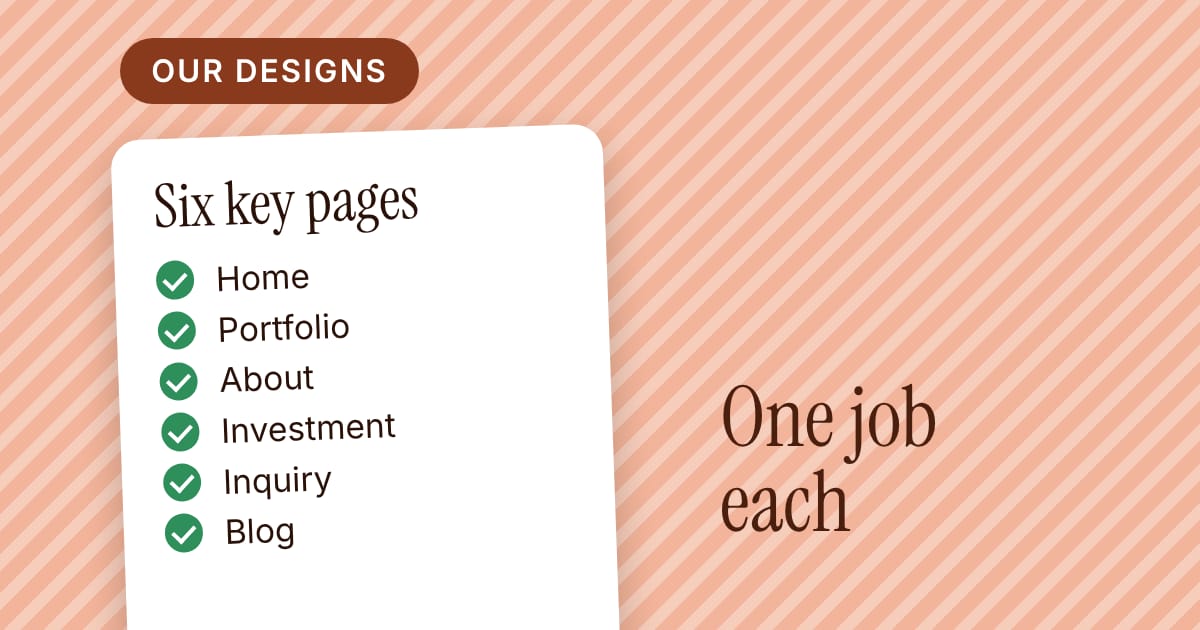 What to put on every page of a wedding photographer's websiteA wedding photographer's website does not need many pages, but each one has a job. Here are the six couples look for, what each should do, and the mistake we see most on each.